
This week, I facilitated a series of workshops on effective praise and feedback techniques. While discussing how leaders give recognition, I was reminded of a classic study by a group of behavioural psychologists researching positive reinforcement, and a critical lesson that every manager needs to hear about avoiding transactional leadership in workplace feedback.
The psychologists visited a marine rehabilitation park where wild porpoises were retrained to perform specific tricks. Naturally, the training process relied heavily on conditional rewards: Do the trick, get a fish.
After observing the expert trainers, the psychologists took over. They used the exact same hand commands, followed the protocol precisely, and rewarded the porpoises with a fish every single time a command was executed correctly.
At first, the system worked seamlessly. But after a few days, something unexpected happened: the porpoises stopped responding entirely.
They sat passively in the water, ignoring the exact commands they had mastered just days prior.
The psychologists doubled down. They pulled out their behavioural theories, analysed performance data, and adjusted their reward schedules. Yet, no matter what they tried, the porpoises refused to cooperate.
Flummoxed, they turned back to the original trainers to ask what was going wrong.
The trainers listened to the psychologists’ rigorous, step-by-step approach, smiled, and offered a simple explanation:
“When we work with the porpoises, we often throw them a fish just because we like them—not simply because they performed a trick.”
The Danger of Transactional Leadership
The psychologists had accidentally turned a dynamic, trust-based relationship into a purely transactional output engine: Action = Input, Reward = Output.
When rewards, praise, and recognition in the workplace are tied strictly to performance metrics, two core dynamics break down:
-
Psychological Safety Dissolves: Employees realise that attention and recognition are entirely conditional. If they aren’t actively producing, they feel invisible.
-
Intrinsic Trust Vanishes: Without spontaneous, unconditional goodwill, workplace relationships feel cold, calculated, and clinical.
Human beings—much like the porpoises—see straight through transactional leadership. When every piece of appreciation or positive feedback is tied directly to a KPI, project delivery, or task checklist, it stops feeling like genuine recognition and starts feeling like manipulation.
How to Apply Unconditional Positive Reinforcement in the Workplace
In corporate environments, leaders often get caught up in formal performance management frameworks, structured 1:1 agendas, and quarterly awards. While structured recognition is essential, it isn’t enough to build high-trust, resilient teams.
If you only acknowledge your team members when they hit a target, launch a feature, or work late during a crisis, you are operating like the psychologists. You are teaching your team that their value is strictly tied to their immediate utility.
To build long-term engagement, leaders need to throw a few “unconditional fish.”
1. Acknowledge Effort and Character, Not Just Outcomes
Send a direct note acknowledging hard work regardless of the final result: “I saw how much care and detail you put into that client proposal. Even though the client decided not to move forward, your dedication to quality stood out.”
2. Build Relationship Connections Without an Agenda
Schedule informal check-ins or team conversations where project status updates are off-limits. Focus purely on personal connection, well-being, and mutual support.
3. Deliver Unprompted Appreciation
Offer positive feedback simply because you value having the person on your team, rather than waiting for an arbitrary milestone or annual review.
Balancing Structured Feedback with Genuine Connection
Clear performance standards and structured feedback provide necessary direction. However, genuine human connection builds the psychological safety required for innovation, loyalty, and long-term performance.
The next time you review how you deliver praise and feedback to your team, ask yourself: Are you only rewarding the tricks, or are you throwing a fish just because you value the person?
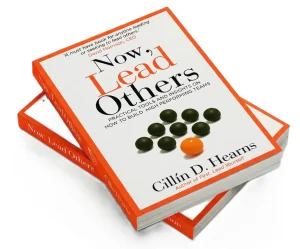
Are you interested in tools for building a high performing team? Then check out my new book ‘Now, Lead Others’.
If you’re interested in hearing more tips about how you can Unleash Your Potential or that of your team, please feel free to drop me a note. I’m always happy to share ideas and help where I can.