There is an old, well-worn adage in management: the main thing is to keep the main thing the main thing. It sounds straightforward enough, but over the past eighty years, the corporate world quietly moved away from character-based leadership to focus on surface-level appeal.
Somewhere along the line, we traded substance for style. We swapped character for personality.
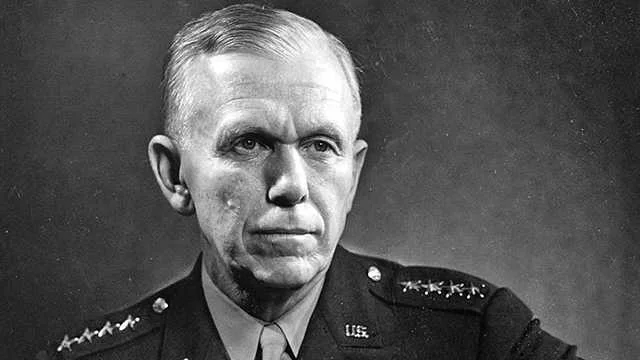
If you look at the literature and leadership philosophies before the Second World War, the focus was almost entirely on character. Genuine character-based leadership was grounded in foundational virtues; i.e. integrity, humility, fidelity, and self-restraint. When General George Marshall set about rebuilding the Allied command structure in the late 1930s, he didn’t assess candidates based on who possessed the most magnetic stage presence or who gave the most polished presentation. He looked for unyielding integrity, quiet competence, and moral backbone.
Post-WW2, however, an insidious cultural drift occurred. Fuelled by mid-century public relations, consumer culture, and executive image-crafting, the “Personality Ethic” took over. Leadership became an external performance. It turned into a toolkit of communication tricks, influence techniques, and charismatic charm. We began valuing how a leader projected rather than who they actually were.
This shift has steadily eroded good leadership in organisations across the globe, leaving teams cynical and disengaged. Look at the corporate scandals of the early 2000s, the Enrons and WorldComs, or the dot-com and tech darlings of recent years led by charismatic, mercurial founders. These leaders possessed magnetic personalities and captivated boardrooms, but their internal scaffolding was hollow. When personal charm outpaces character, disaster is only ever a matter of time.
Why Modern Organisations Need Character-Based Leadership
To fix this, we need to bring leadership back to its moral anchor. That means recommitting to six core character traits:
1. Honesty
Honesty is the baseline. It’s about truth-telling and rejecting half-truths or corporate spin. A leader of character speaks the truth plainly, even when delivering bad news that might hurt their own standing or make for an uncomfortable meeting.
2. Integrity
While honesty is about telling the truth to others, integrity is about internal alignment. It’s what you do when the camera is off and nobody is watching. It means your actions, principles, and expectations are congruent. If there is a wide gap between what you say you value and what your team sees you do on a Friday afternoon, your integrity is already compromised.
3. Respect
Personality-based leaders turn on charm when dealing with people who can help their careers and drop it when dealing with those who cannot. Genuine respect is unconditional. It treats every individual—from the board chair to the office cleaner—with intrinsic dignity, listening carefully and valuing their human worth.
4. Kindness
Kindness is frequently misunderstood in business as softness or conflict avoidance. It is neither. True kindness means caring enough about someone’s growth to tell them the unvarnished truth, supporting them through hardship, and never using cruelty or humiliation as a management tool.
5. Trust (As a Noun and a Verb)
Trust operates in two distinct modes. As a verb, trust is an action: it is an intentional choice by the leader to extend autonomy, empower others, and step back from micromanagement. As a noun, trust is the emotional safety net created within the team as a result. You cannot harvest trust as a noun without having the courage to practise trust as a verb.
6. Trustworthiness (And Why It Differs from Trust)
People often conflate trust and trustworthiness, but they are fundamentally different. Trust is an offering; trustworthiness is the bedrock that justifies the offer.
- Trust is the risk you ask others to take on you.
- Trustworthiness is your proven consistency, competence, and reliability over time.
A charismatic leader can easily manipulate people into trusting them through charm and promises. But without trustworthiness, the demonstrated track record of keeping your word and putting the team ahead of your ego, that trust inevitably shatters.
Charisma might get you through the front door, and a polished personality might win you the initial buy-in. But personality alone cannot sustain a culture when pressure mounts and the wheels fall off.
If we want resilient, high-performing organisations, we must stop confusing charismatic presentation with real capability. Character is what anchors you when the storm hits. It is the real currency of leadership … and it’s high time we made it the main thing again.
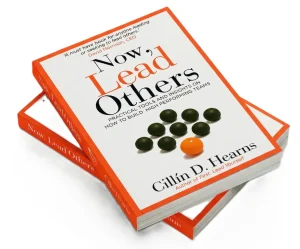
Are you interested in tools for building a high performing team? Then check out my new book ‘Now, Lead Others’.
If you’re interested in hearing more tips about how you can Unleash Your Potential or that of your team, please feel free to drop me a note. I’m always happy to share ideas and help where I can.